Prospective partner institutions
 The University of Hong Kong
 University of London
 Monash University
 Universiti Teknologi Malaysia
 University of Wollongong
 La Trobe University
 Xiamen University
 University of Naples Federico II (UNINA)
 East China Normal University
 China University of Mining and Technology
 Malaysia University of Science & Technology
 Soochow University Applied Technology College
 Shanghai University of Engineering Science
 Shanghai Conservatory of Music
 California Business College (CBC)
Eleven institutes and their partners
- Health TechnologyThe Shanghai health-services committee with La Trobe University, on digital health.
- Pharmacy InstituteShanghai biopharma companies with Monash University.
- International TradeShanghai Economics & Trade University with the Shanghai SME International Association, serving cross-border trade.
- PsychologyEast China Normal University with the industry association.
- Energy TechnologyMonash University and the Asia-Pacific centre of the Global Energy Digital Alliance.
- EducationThe University of Hong Kong with Xiamen University.
- EngineeringSoochow University Applied Technology College with the University of Wollongong.
- MusicologyThe original teaching system (Robert Lee) with the Shanghai Conservatory of Music.
- Social Science & ManagementShanghai Academy of Social Sciences with Malaysia University of Science & Technology, on governance and management.
- AI InstituteCalifornia Business College (CBC), United States.
- Digital Economy InstituteUniversita degli Studi di Napoli Federico II (UNINA), Italy.
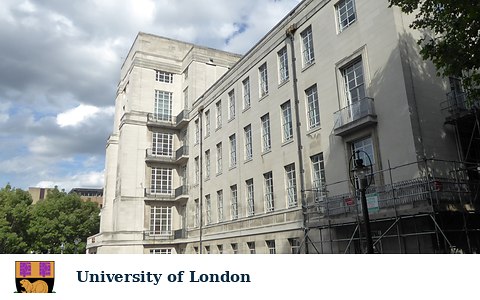
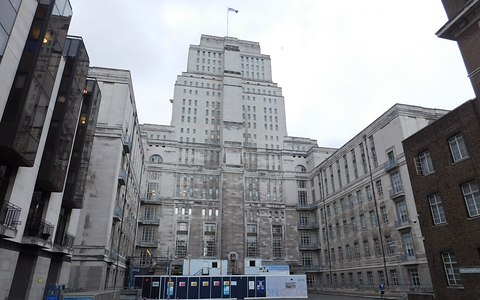
University of London
- Federal modelA federal public research university since 1826: 17 independent member colleges and 3 central academic bodies each set admissions, curricula and degrees.
- At a glanceAbout 250,000 students, 40,000 of them studying by distance across 190 countries; 87 Nobel laureates and 6 Turing Award winners. Education has ranked first worldwide for 12 years and architecture and the environment for 3.
- In AsiaAuthorises the Shanghai Study Abroad Service Centre to run a London University teaching base, with local tutoring and exam sitting for in-service learners.
- CoverageHumanities, social sciences, science and engineering, medicine, arts and more; each member college sets its own admissions and curricula while academic resources circulate across the federation.
About Monash University
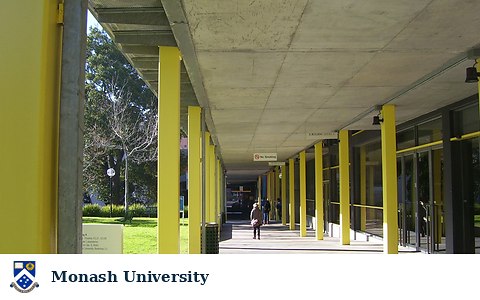
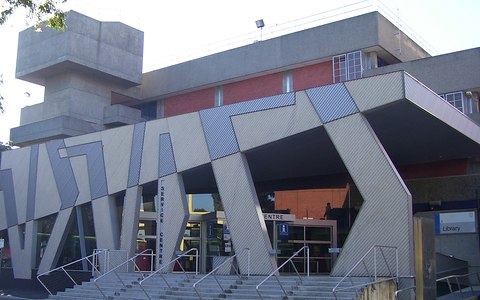
- ProfileFounded 1958 in Melbourne; a public research university and Group of Eight member with the motto Ancora Imparo. More than 60,000 students from over 170 countries, with a Malaysia campus and a Suzhou centre.
- StrengthsQS 2025 places data science and AI at world 40 and US News AI at world 32; pharmacy ranks world 5 and nursing world 13 on the Shanghai list, medicine and health world 31 in THE. Ten faculties: AI sits in the Faculty of IT, health in Medicine, Nursing and Health Sciences.
- Fees and entryTwo intakes a year, February and July. The AI-direction bachelor C2001 runs three years and 144 credit points for about A$53,900; the AI master takes 1.5 to 2 years for about A$57,300; health science and public health bachelor about A$52,000 and the public health master about A$55,000. IELTS 6.0 to 6.5, with gaokao, A-Level or MUFY foundation routes.
Universiti Teknologi Malaysia
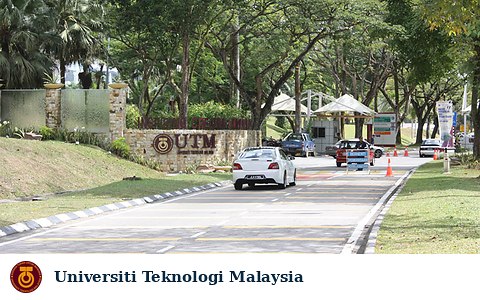
- HistoryFrom a 1904 technical school to today's name in 1975; one of Malaysia's five research-led public universities, with a 1,177-hectare Johor Bahru campus, a 38-hectare Kuala Lumpur graduate site and a Muar continuing-education campus.
- RankingsQS world 181 in 2025 rising to 153 in 2026 and 28th in Asia, repeatedly five-star; petroleum, electrical and chemical engineering sit in the global top 100 with computer science and civil engineering in the top 150, and 17 fields in the top 300.
- ScaleAbout 23,960 students, 56% undergraduate and 44% postgraduate, from over 120 countries; 1,708 academic staff with 82% holding doctorates across 12 faculties and some 20 institutes, plus a smart-manufacturing lab.
- Fees and entryBachelor tuition runs about RM12,000 to 30,000 a year by field; IELTS 5.5 to 6.0 for bachelor and 6.0 for master with a 2.75 average. A doctorate costs around 60,000 RMB in total, and the university agrees to host a teaching and foundation centre.
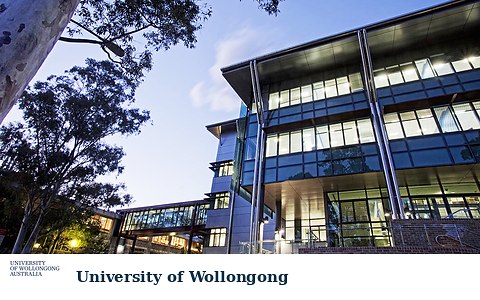
About University of Wollongong
- HistoryFounded 1951, a college of UNSW from 1961 and independent since 1975; the seaside main campus sits about 80 km south of Sydney.
- CampusesSydney, Dubai, Hong Kong and Malaysia form a multi-hub network; in Malaysia Glenmarie is the flagship, Batu Kawan carries Industry 4.0 courses with IBM, and George Town feeds transfers to Australia and Dubai.
- StrengthsTHE 2024 world 495 and world 16 among universities under 50 years old; 91% of fields meet or exceed world standards and the computing school is one of Australia's largest ICT research centres.
- Hong Kong campusWollongong College Hong Kong at 18 Che Kung Miu Road, Tai Wong, New Territories, next to the MTR, takes about 1,200 students with 150 staff, opens the head-office platform of over 840,000 e-books and 180,000 journals, and runs communication and media and computing articulation tracks.
- Entry and feesMost honours bachelor programmes cost HK$70,200 a year; staged courses run HK$71,670 for two years then HK$77,790. Mainland applicants need 90% of the second-batch line with 85 in English out of 150 plus an English interview. Business masters take one year, science masters eighteen months, and the head office confers the degree.
About La Trobe University
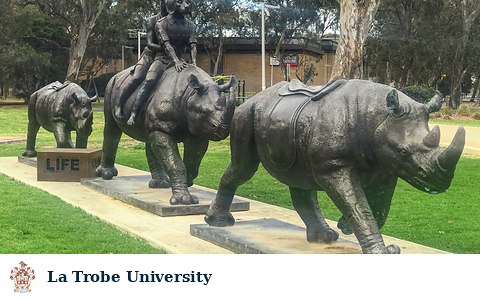
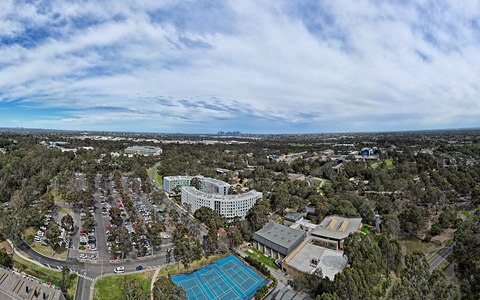
- ScaleFounded 1964 with over 39,000 students including some 10,000 internationals and more than 240,000 alumni across 140 countries; seven campuses in Melbourne, Victoria and New South Wales, with Bundoora covering 235 hectares among the largest in the southern hemisphere.
- RankingsQS June 2025 put La Trobe at world 217 and national 17 after a 183-place climb, with the Oceania most-progressed award; THE has held world 251 for three straight years, and employer satisfaction is first in Victoria and third nationally.
- AI and medical researchWith Cisco it opened the world's first Cisco-La Trobe AI and IoT centre in 2020, and in 2024 the Victorian government, BioNTech and La Trobe founded ACAMI, Australia's first AI-in-medical centre, with the country's first NVIDIA DGX H200. Focus areas are digital health, agriculture, Industry 4.0, smart manufacturing and cities.
- Nursing and healthQS ranks nursing world 44 and sport subjects 46, and THE holds medicine and health at 175. Bachelor and master nursing are ANMAC-accredited with 1,000 placement hours at sites such as The Royal Melbourne and Austin Health.
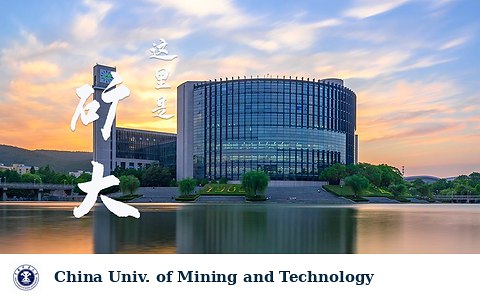
China University of Mining and Technology
- StandingA key national university under the Ministry of Education, Double First-Class, co-built by the ministry, the Ministry of Emergency Management and Jiangsu province; Nanhu and Wenchang campuses in Xuzhou.
- StrengthsMining engineering and safety science sit in the Double First-Class tier; engineering, earth science and ecology are in the ESI top 3 per mille with 32 fields in the top 3%. Traditional strengths are energy, safety, mining, civil and surveying, with AI, new energy and carbon neutrality added.
- Provision45 schools and 74 bachelor programmes, 43 first-level doctorate and 35 master fields and 38 post-doctoral stations, some 3,780 staff, and nationally 32 key research platforms with over 70 provincial ones.
- LinksLong-standing work with the Colorado School of Mines, Wollongong, Queensland and St Petersburg Mining, the international mine ventilation conference, and technology transfer into South-East Asia, Central Asia and Australia.
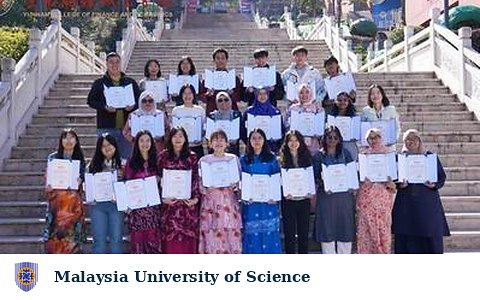
Malaysia University of Science & Technology
- ProfileAfter a 1995 Malaysian mission to MIT an agreement was signed in January 1997 and the university was chartered in 2000 with MIT support; it keeps credit transfer with MIT and Harvard and aims to produce senior managers and business leaders.
- StrengthsFlagship transportation and logistics supply chain, a founding school of the Asian logistics and supply chain council, covering global supply chains, cross-border logistics and shipping; MBA, BBA and accounting at the business school; data science, cybersecurity, IoT and blockchain at computing and AI, with engineering management, environment and biotechnology.
- RecognitionMSA-accredited and listed among Malaysian institutions recognised by the Ministry of Education in the PRC; a joint in-service doctorate runs with Shanghai Jiao Tong University and is CSCSE-verifiable, with full-time, part-time and blended study for working professionals.